As a strength and conditioning coach specializing in women’s fitness, I see firsthand how transformative—and empowering—strength training can be for women of all ages and life stages. Yet, despite the overwhelming evidence supporting its benefits, many women are held back by myths and misconceptions. In this article, I’ll outline five major benefits of strength training for women and address common concerns, including training during the menstrual cycle, pregnancy, postpartum recovery, and important differences between training women and men.

5 Key Benefits of Strength Training for Women
1. Builds and Preserves Bone Density
Women are at higher risk for osteoporosis and bone loss, especially after
menopause. Strength training activates bone-forming cells, leading to stronger,
denser bones—a critical defense against fractures and osteoporosis.
2. Prevents Muscle Loss and Boosts Metabolism
After age 30, women naturally lose muscle mass at a rate of about 1% per year,
which can accelerate with inactivity. Strength training not only stops this muscle
wastage but can also reverse it, increasing lean muscle mass and boosting resting metabolic rate—helping women stay stronger, leaner, and healthier as they age.
3. Enhances Confidence and Mental Well-being
Strength training is linked to improved self-esteem, body image, and mental health. For teen and tween girls, it builds physical confidence; for women of all ages, it fosters a sense of accomplishment and empowerment.
4. Reduces Risk of Chronic Disease and Injury
Regular strength training lowers the risk of heart disease, type 2 diabetes, and
metabolic syndrome. It also strengthens joints, improves movement patterns, and reduces the risk of falls and injuries—especially important as women age.
5. Supports Longevity and Quality of Life
Women who strength train two to three times per week are more likely to live longer and have a 30% lower risk of cardiovascular mortality compared to those who do not. Strength training is truly a powerful tool for lifelong health.
Addressing Common Concerns and Misconceptions
Will Lifting Weights Make Women Bulky?
This is one of the most persistent myths. Due to lower testosterone levels, women
are not likely to develop large muscles unless they follow a highly specialized and
intense regimen. Most women will become more toned and lean, not bulky.
Is It Safe to Train During the Menstrual Cycle?
Yes, but awareness is key. During the follicular phase (first half of the cycle), women often feel stronger and more energetic, making it an ideal time for intense workouts. In the luteal phase (second half), energy and endurance may wane, and injury risk
can increase due to hormonal changes. Adjusting intensity and focusing on recovery during this phase is recommended.
Can Women Lift Weights While Pregnant?
For most women with low-risk pregnancies, strength training is safe and beneficial, provided it is supervised and modified. Use lighter weights, higher repetitions, and avoid heavy lifting or high-impact exercises that strain the pelvic floor. Always consult your healthcare provider before starting or continuing a regimen.
How Should Women Train After Pregnancy?
Postpartum recovery is a gradual process. Gentle movement and pelvic floor
exercises should be prioritized, with a gradual return to strength training after
medical clearance—typically six weeks after vaginal delivery or eight weeks after a C-section. Core, back, and pelvic floor strengthening are especially important.
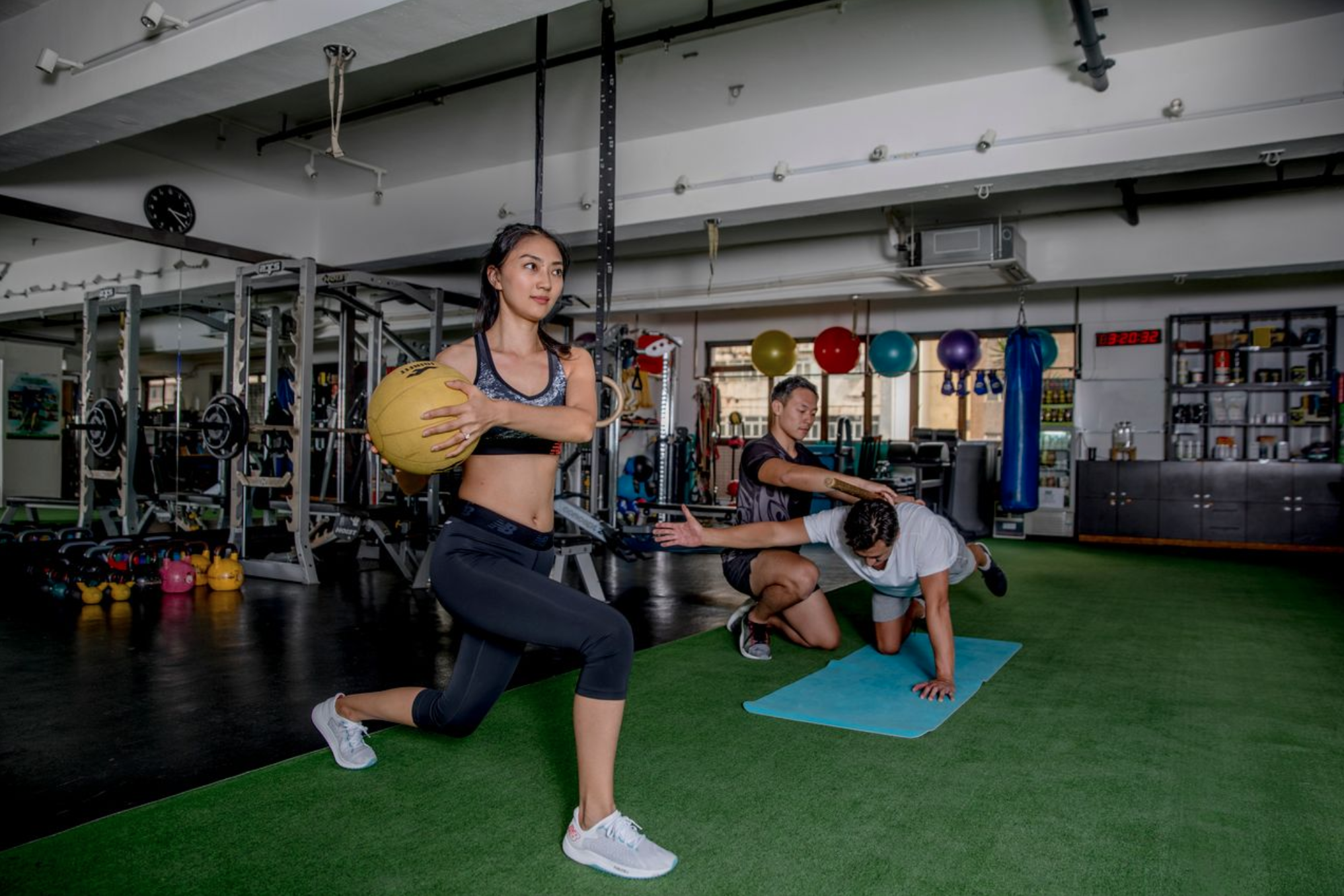
What Are the Key Differences Between Training Women and Men?
- Muscle Fiber Composition: Women have a higher proportion of type I (slow- twitch) muscle fibers, making them more fatigue-resistant and better suited for endurance and higher training volume.
- Recovery: Women generally recover faster between sets and sessions, allowing for more frequent or intense training.
- Hormonal Influences: Menstrual cycles, pregnancy, and menopause require tailored programming to optimize results and minimize injury risk.
- Relative Strength Gains: Women can achieve similar or even greater relative strength gains compared to men, especially in the upper body.
- Injury Risk: Women are more prone to certain injuries, like ACL tears, especially around ovulation, so warm-ups and injury prevention strategies are crucial.
Conclusion
Strength training offers women unique and life-changing benefits, from stronger bones and muscles to improved mental health and longevity. By understanding and addressing common concerns—such as training during the menstrual cycle,
pregnancy, and postpartum—women can confidently embrace strength training as a cornerstone of their health and wellness journey. Tailored programming, informed by the physiological and hormonal differences between women and men, ensures that every woman can achieve her fitness goals safely and effectively.