Designing effective strength and conditioning programs for athletes requires a
nuanced approach that accounts for the unique demands of each sport and the
developmental stage of the athlete. Here are eight essential factors to consider when tailoring fitness programs for athletes across various sports and age groups.
8 Key Considerations When Training for Specific Sports: Tailoring Fitness Programs for Athletes of All Ages
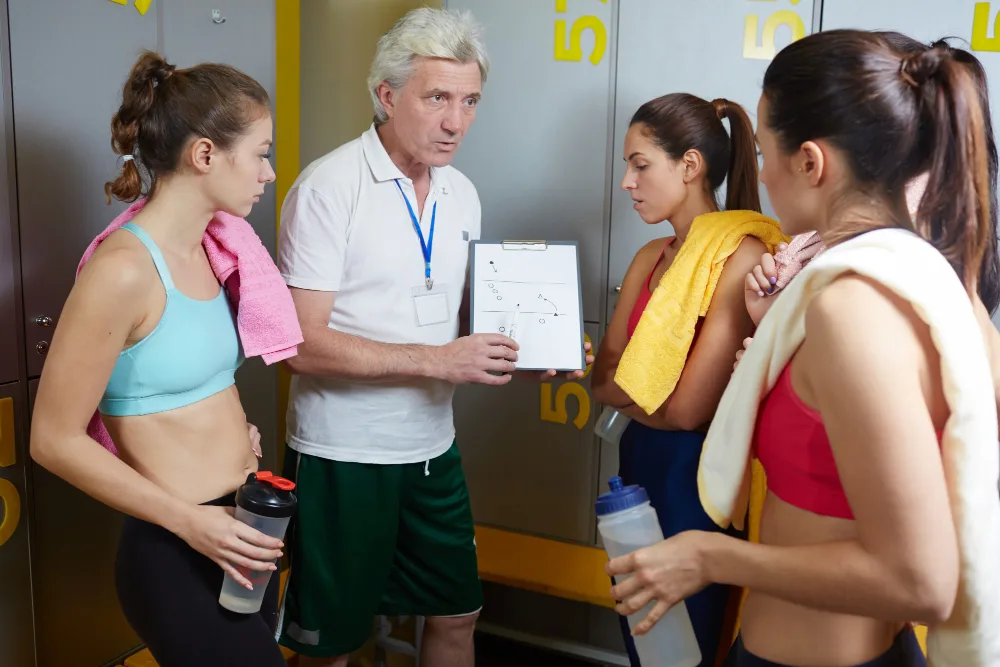
1. Principle of Specificity
Training should closely mimic the movements, energy systems, and physical
demands of the athlete’s sport. This principle ensures that gains in strength, power, and endurance translate directly to improved performance on the field or court. For example, a soccer player’s program should emphasize lower body power and agility, while a swimmer’s should focus on upper body strength and core stability.
2. Age-Appropriate Progression
Athletes’ needs and capacities change significantly with age. Young children benefit from bodyweight exercises, coordination drills, and basic movement patterns, while older adolescents and adults can handle more advanced resistance training and plyometrics. Programs should be progressive, emphasizing proper technique and gradually increasing intensity as athletes mature.
3. Foundational Strength and Conditioning
Before specializing, all athletes need a base of general strength, mobility, and
aerobic capacity. Foundational strength and conditioning (S&C) develops resilience, reduces injury risk, and prepares athletes for more intense, sport-specific training. This is especially important for youth, who should master basic movement skills before focusing on sport-specific drills.
4. Sport-Specific Prehabilitation (Prehab)
Prehab is proactive injury prevention, focusing on strengthening vulnerable areas
and improving mobility and stability. Effective prehab programs are tailored to the injury profiles of each sport—such as rotator cuff work for swimmers or knee stability for basketball players—and should be integrated into regular training
routines.
5. Individual Assessment and Goal Setting
Every athlete has unique strengths, weaknesses, and injury histories. Begin with a
thorough assessment to identify specific needs and set clear, sport-relevant goals. This personalization ensures the program addresses both performance
enhancement and injury prevention.
6. Periodization and Timing
Training intensity, volume, and focus should be adjusted throughout the year based on the athlete’s competition schedule. Periodization allows for phases of building foundational strength, developing power, and peaking for competition, while ensuring adequate recovery and minimizing overtraining.
7. Monitoring and Adjusting the Program
Regularly assess progress using performance metrics, feedback, and injury reports. Be prepared to adjust the program to address plateaus, emerging weaknesses, or signs of overtraining. This dynamic approach ensures continued progress and long-term athlete development.
8. Age-Specific Guidelines and Long-Term Athletic Development
Children (7 and under): Focus on play, body control, and basic movement skills.
Ages 8–10: Introduce more structured exercises with emphasis on form, not load.
Ages 11–13: Gradually increase resistance and complexity, add proprioceptive and
core work.
Ages 14–15: Begin integrating sport-specific drills, agility, and light plyometrics.
Ages 16+: Transition to adult-level programs with advanced strength, power, and
sport-specific elements, provided technique is sound.
Summary Table: Key Considerations
| Consideration | Why It Matters |
| Specificity | Ensures training transfers to sport performance |
| Age-Appropriate Progression | Matches program demands to developmental stage |
| Foundational S&C | Builds resilience and reduces injury risk |
| Sport-Specific Prehab | Prevents common injuries and supports longevity |
| Individual Assessment | Personalizes training for optimal results |
| Periodization and Timing | Optimizes performance and recovery throughout the year |
| Monitoring & Adjustment | Maintains progress and addresses emerging needs |
| Age-Specific Guidelines | Supports safe, long-term athletic development |
Final Thoughts
A well-designed, sport-specific program blends foundational strength and
conditioning, targeted prehab, and individualized progression. By respecting the
athlete’s age, sport, and unique needs, strength and conditioning professionals can maximize performance, minimize injury risk, and foster a lifelong love of physical activity.